Mechanisms of Cyberbullying in Singapore

Adopting a mixed-methods approach, we explore the mechanisms of cyberbullying (victims, bullies, and bystanders), its antecedents, correlates, and consequences. Thus far, two studies have been conducted: (1) An exploratory qualitative study with interviews and focus group discussions to explore the perceptions and experiences of cyberbullying as well as the roles played by parents, peers, and schools in contributing to the well-being of victims, bullies, and bystanders from the perspectives of children, parents, and professionals; and (2) A meta-analysis of long-term impacts of cyberbullying victimization on adolescent mental health outcomes.
Parenting and Children’s Self-regulation, Mental Health, and Well-being
This longitudinal mixed-methods study examines how various aspects of parenting (e.g., parental control, discipline, warmth and parent-child attachment) are associated with self-regulation (e.g., inhibitory control), emotional well-being, and adjustment (e.g., reduced anxiety and depression).
Results from this study will inform and optimise parenting practices in Singapore, promote the lives of our vulnerable community, and identify key factors that could enhance the mental health and well-being of children.
Online Sexual Violence and Campus Sexual Misconduct

Campus Sexual Misconduct in a Digital Age (CASMIDA) is an independent research project that investigates the correlation and impacts of digital technologies (e.g., social media, online platforms, mobile applications, etc.) on “sexual misconduct” in local campuses. Our latest study focuses on the intersections between sexual misconduct on university campuses and technology-facilitated sexual violence and harassment (TFSV) in Singapore. Results from this study aims to: (1) transform the culture and technologies that enable TFSV; and (2) Contribute to an emerging body of scholarship that merges TFSV and campus sexual misconduct. For information about our research can be found CASMIDA
Queer Men in Singapore is also an interdisciplinary study that explores the perceptions, understandings, and lived experience of gay, bisexual, or queer (GBQ) men in Singapore. We seek to understand attitudes towards their GBQ identity exploration, intimate and romantic relationships, sexual health and behavior including mpox vaccine hesitancy and the stigma surrounding mpox and sexually transmitted infections/sexually transmitted diseases (STIs/STDs), as well as digital technology use particularly around dating and seeking partners. For information about our research can be found QMS
Digital Technologies, Youth Mental Health, and Wellness
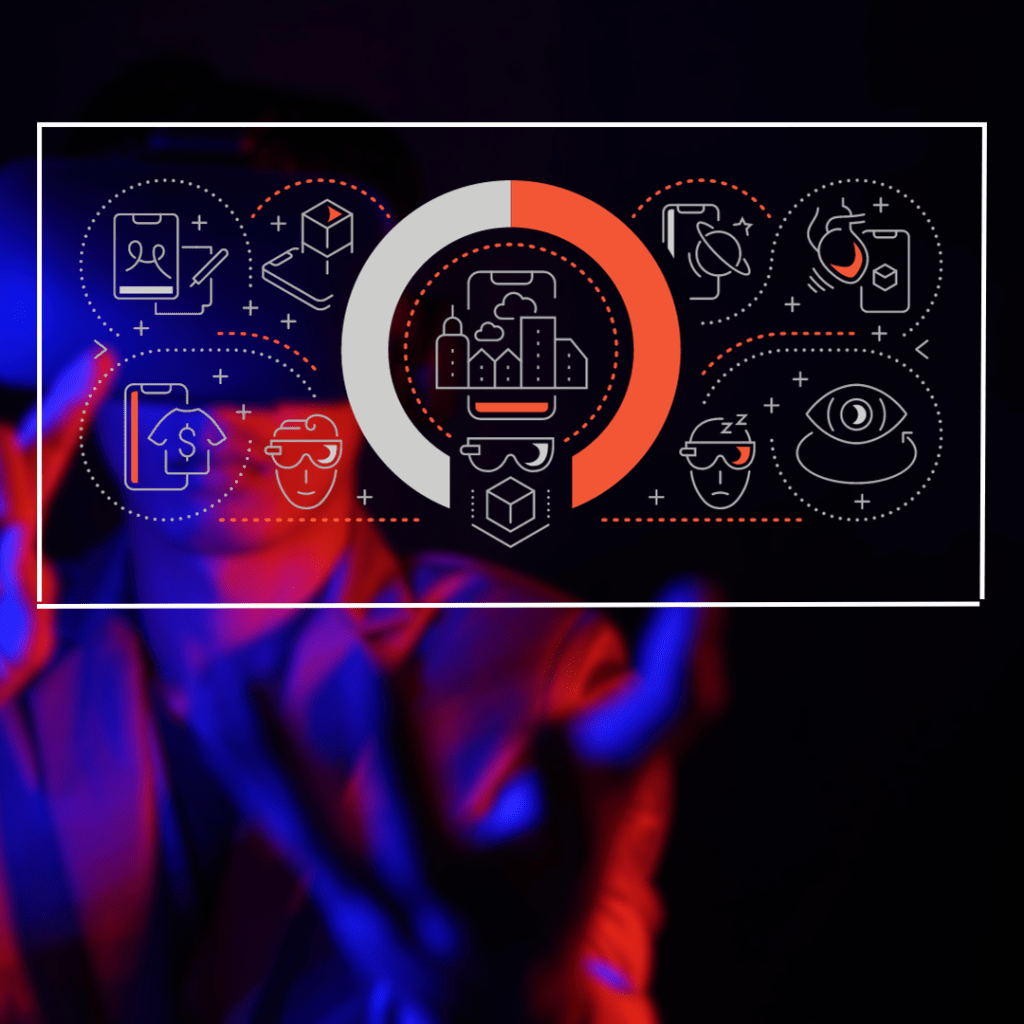
This project aims to harness technology’s potential to create a vibrant and inclusive environment for our youths today. Leveraging on technology-based social services (e.g., mHealth, virtual reality, augmented reality, the metaverse, etc.), this project seeks to provide valuable mental health information and enhance mental well-being for youths, particularly individuals with mental health issues.
Our interdisciplinary team comprises of experts from the University of Calgary, the University of British Columbia, the City University of Hong Kong, and the National University of Singapore. Together, we are committed to advancing the field of youth mental health through technology integration.
Childhood Bullying and Traumatic Experiences Among Vulnerable Communities in Singapore
In Singapore, vulnerable communities (e.g., persons with disabilities (PWD) and the LGBTQ+ community) frequently contend with persistent socio-emotional challenges, with many studies indicating that they are disproportionately subjected to bullying and discrimination.
Through participant narratives, this research seeks to understand the effects of childhood bullying within the PWD and the LGBTQ+ community in Singapore. This research has three objectives: (1) To explore various forms of bullying (e.g., cyberbullying, traditional bullying, etc.); (2) Investigate the role of formal and informal systems in perpetuating or mitigating bullying; and (3) Uncover the long-term effects of bullying on mental health, self-esteem, identity formation, and interpersonal relationships.
© Jungup Lee, NUS Department of Social Work
 Junguplee